Humanity – language, conflict, and violence – part two
If something repeatable within a human relationship precedes the outbreak of violence, what is it exactly? Viewed with a cold eye, the violence creating conditions... Read More
Humanity – language, conflict, and violence – part one
If something repeatable within a human relationship precedes the outbreak of violence, what is it exactly? Viewed with a cold eye, the violence creating conditions... Read More
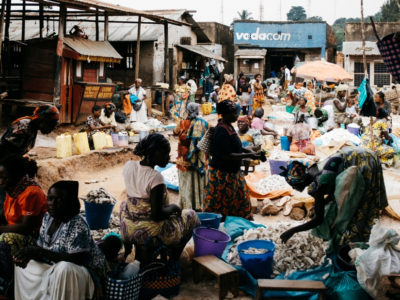
Peace Direct calls for sustainable peace to be a priority ahead of UK election
Ahead of the UK general election on 12th December, Peace Direct urges all political parties to make sustainable peace a cross cutting priority in their... Read More
November 2019 review
TransConflict is pleased to present a selection of articles published during November, plus updates from the Global Coalition for Conflict Transformation. 1) Can the... Read More
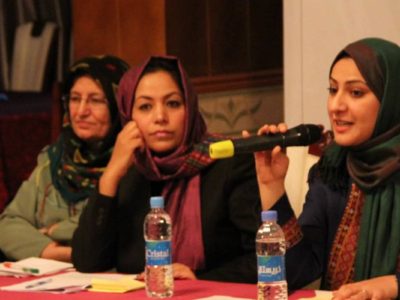
Imperatives of women’s inclusion in the Afghanistan peace process
The Taliban, the Afghan government and the international community should include Afghan women in any peace process – not just in formal discussion but as... Read More
Local peacebuilding – what works and why
This report, a collaboration between Peace Direct and the Alliance for Peacebuilding, explores the effectiveness of local peacebuilding, sharing real and impactful initiatives from around... Read More
May 2019 review
TransConflict is pleased to present a selection of articles published during May, plus updates from the Global Coalition for Conflict Transformation. 1) To prevent... Read More
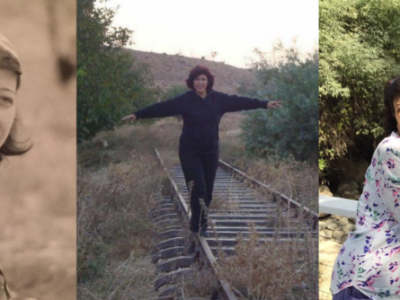
The metamorphosis of a female fighter into a peacebuilder
The story you’re about to read is that of armed conflict and gender, ideologies and the business of war, self-criticism and healing, peacebuilding and education.... Read More
April 2019 review
TransConflict is pleased to present a selection of articles published during April, plus updates from the Global Coalition for Conflict Transformation.
March 2019 review
TransConflict is pleased to present a selection of articles published during March, plus updates from the Global Coalition for Conflict Transformation.
February 2019 Review
TransConflict is pleased to present a selection of articles published during February, plus updates from the Global Coalition for Conflict Transformation.
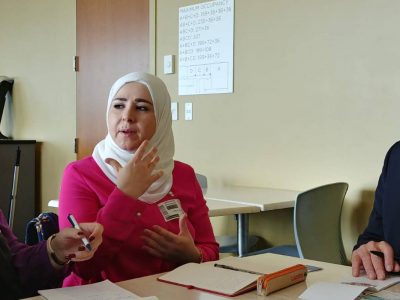
Is it sufficient simply to acknowledge the nonviolent heroes among us?
It is not difficult to find heroes at the UN: individuals and communities who, in the face of enormous challenges, maintain a commitment to peace... Read More

How students build peace in politically-charged climates
Although students Anoaga and Jabir might disagree on Ghanaian politics, through a ‘Dialogues for Peace’ programme, they have been able to engage in conversations and... Read More
November 2018 Review
TransConflict is pleased to present a selection of articles published during November, plus updates from the Global Coalition for Conflict Transformation.
October 2018 Review
TransConflict is pleased to present a selection of articles published during October, plus updates from the Global Coalition for Conflict Transformation.
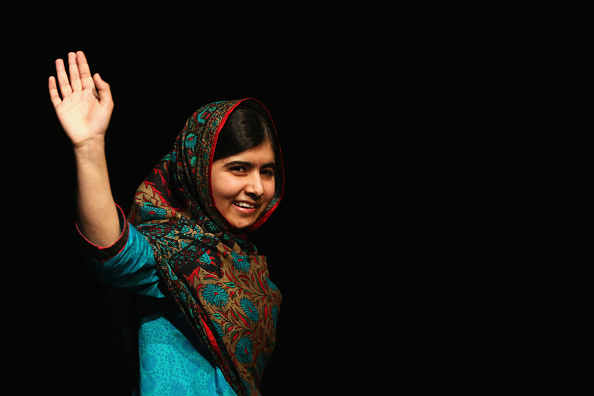
The use of soft power to promote a culture of peace
Soft power is slow, difficult to develop, spontaneous in many cases, and less effective than hard power. However, it is present more than ever as... Read More
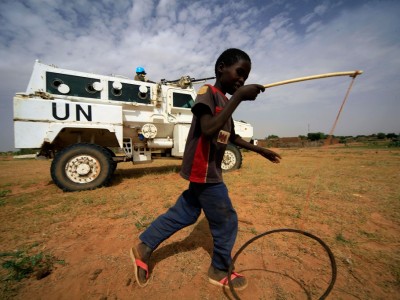
Information Collection Analysis and Management (ICAM)
TransConflict hereby recommends a new course, entitled ‘Information Collection Analysis and Management’ (ICAM), organized by Metis Services AB, which will be held in Stockholm in... Read More

Reviving peacebuilding
Peacebuilders must not only focus inward to address the immediate needs of the populations they are serving, but also outward to transform the opinions and... Read More
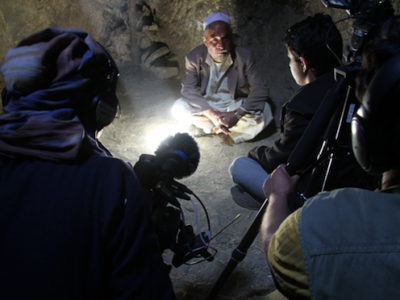
Issues in conflict theory and practice
To dismiss our collective failure in maintaining peace and order as a constant state of being with only very minor interruptions by stating that, “conflict... Read More
September 2018 Review
TransConflict is pleased to present a selection of articles published during September, plus updates from the Global Coalition for Conflict Transformation.
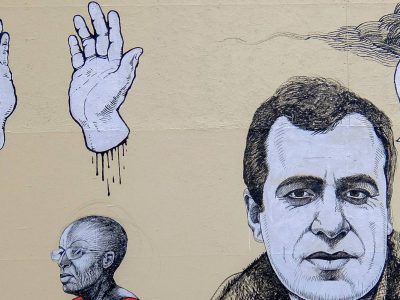
Art, a miracle remedy for peace?
As the peacebuilding sector continues its powerful upswing, gaining visibility and chutzpah internationally, the techniques and tools used by peacebuilders to craft and build it... Read More
August 2018 Review
TransConflict is pleased to present a selection of articles published during August, plus updates from the Global Coalition for Conflict Transformation.
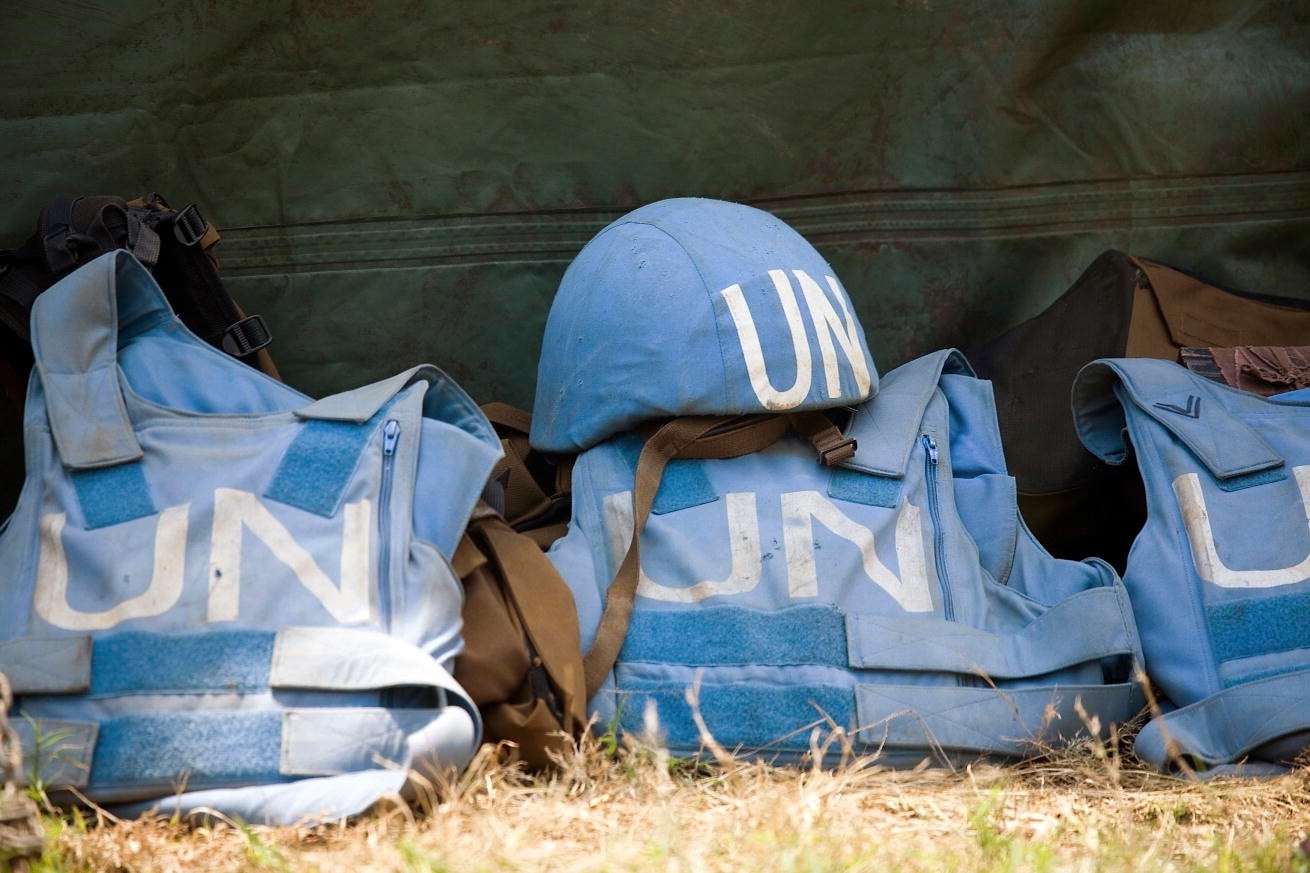
Insuring against war – the role of the United Nations in the modern world
The UN requires a root and branch change in the way it hires, trains, promotes and retains its staff. The organisation must redefine its purpose,... Read More
July 2018 Review
TransConflict is pleased to present a selection of articles published during July, plus updates from the Global Coalition for Conflict Transformation.
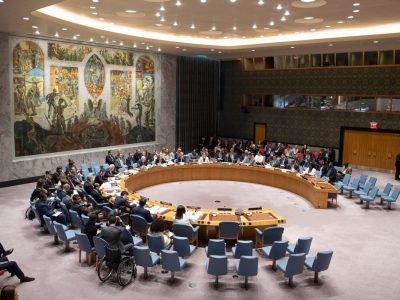
Bringing youth to the table on issues of peace and security
With diversity comes improved creativity and innovation. In addition to countless other benefits of involving more diverse perspectives in peace and security conversations, the importance... Read More